
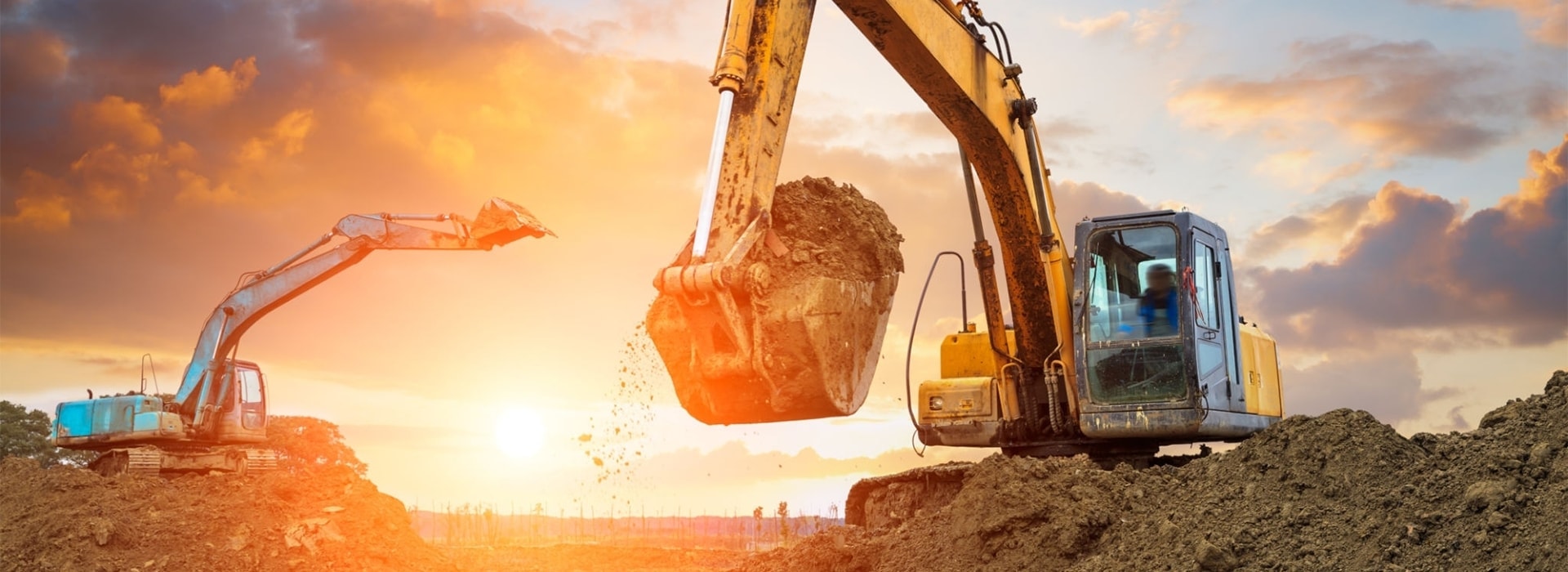
What is Precision Cast Gear?
1.What is Precision Cast Gear? Defining the Industrial Backbone
In the colossal landscapes of mining, on the towering heights of wind farms, and within the relentless environments of oil fields, machinery is pushed to its absolute limits. The seamless operation of this equipment hinges on a single, critical component: the precision cast gear. Far more than a simple metal cog, a precision cast gear is a masterfully engineered component manufactured through advanced metallurgical casting processes to achieve near-final shape with exceptional accuracy and integrity. It serves as the fundamental driver of motion and power within some of the world’s most demanding industrial applications.
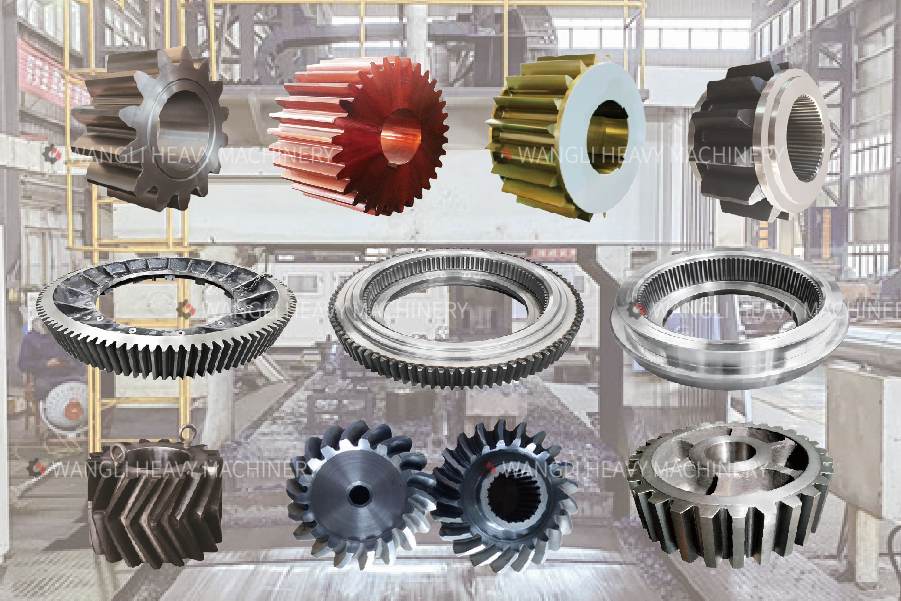
2.The Foundational Manufacturing Edge of Cast Gears
The superiority of a precision cast gear begins at its birth in the foundry. Processes like investment casting or resin sand casting allow for the creation of components with complex geometries that would be economically prohibitive or mechanically inferior if machined from solid billet. This method enables the gear to be formed with an optimal, homogeneous grain structure that follows its contours, enhancing its inherent strength. For industries where equipment failure is not an option, this foundational manufacturing advantage is paramount. The ability to produce large-scale, high-integrity cast gear solutions in robust alloys forms the cornerstone of their application in sectors where stress, shock, and scale are daily realities.
3.Unrivaled Advantages: Why Industry Chooses Cast Gears
The decision to specify a precision cast gear over alternatives is driven by a compelling suite of benefits that directly translate to operational superiority and cost savings.
3.1.Peerless Durability Under Stress
Engineered from high-performance alloys such as chromium-molybdenum steel or nickel-chrome irons, cast gear components are built to endure. Their metallurgical composition and crystalline structure, refined through controlled cooling and heat treatment, grant them an extraordinary capacity to withstand tremendous shock loads, severe abrasion, and cyclic fatigue. In a mining crusher or a dragline, this resilience is the difference between continuous operation and catastrophic downtime.
3.2.Optimal Design Freedom and Efficiency
The casting process liberates engineers from the constraints of traditional machining. It allows for the seamless integration of features like strengthened hubs, custom web configurations, and specialized tooth profiles directly into the gear design. This results in a component that is not only stronger but also often lighter and more mechanically efficient, optimizing the entire drive system’s performance for its specific heavy-duty task.
3.3.Lifecycle Cost-Effectiveness
While the initial engineering of a precision cast gear is meticulous, its long-term economic value is profound. The reduction in material waste, the decrease in extensive machining hours, and—most significantly—the extended service life under duress lead to a lower total cost of ownership. Investing in a premium cast gear mitigates the exorbitant expenses associated with unplanned maintenance, production halts, and component replacement in remote industrial settings.
4.Deep Dive: Critical Engineering Considerations
Selecting the optimal precision cast gear requires a nuanced understanding of several interlinked engineering disciplines that ensure final performance.
4.1.Material Science: The Core of Performance
The selection of alloy is the first and most critical decision. A gear for a coal pulverizer demands immense surface hardness to resist wear, while a component in a marine propulsion system requires exceptional corrosion resistance. Specialized alloys for cast gear applications are developed to meet these precise challenges, ensuring the material properties align perfectly with the operational environment’s harshest demands.
4.2.The Transformative Power of Heat Treatment
A cast gear truly comes into its own through precise thermal processing. Techniques like carburizing or induction hardening can be employed to create an immensely hard, wear-resistant surface on the gear teeth, while preserving a tough, ductile core that absorbs impact. This dual characteristic is impossible to achieve with a standard machined part and is a signature advantage of a properly engineered precision cast gear.
4.3.Precision Finishing for Flawless Operation
The “precision” in precision cast gear is finalized through advanced finishing operations. Precision grinding, skiving, or honing of the gear teeth ensures perfect meshing with mating components. This minimizes backlash, reduces operational noise and vibration, and distributes load evenly across the tooth face, thereby preventing premature failure and maximizing power transmission efficiency in sensitive, high-torque systems.
5.The Unsung Hero Across Industrial Frontiers
The true testament to the precision cast gear is its ubiquitous, if unseen, presence across the pillars of modern heavy industry.
5.1.Mining and Mineral Processing
This is the proving ground. From the gargantuan girth gears rotating massive ball mills and rotary kilns to the powerful drives in cone crushers, cast gear components operate in a world of grit, shock, and relentless force. Their failure would halt entire production lines, making their reliability a direct contributor to profitability and safety.
5.2.Energy Generation and Distribution
In the power sector, cast gear systems are vital. They govern the precise pitch of wind turbine blades to maximize energy capture from the wind and control the yaw of the nacelle. In thermal power plants, they drive critical systems within coal mills and flue gas desulfurization units. Their performance ensures stability in energy supply.
5.3.Oil, Gas, and Heavy Machinery
On drilling rigs, cast gear assemblies drive the draw works and mud pumps, facing variable loads and corrosive environments. In steel mills, they withstand radiant heat and continuous demand. Their application extends to shiploaders, tunnel boring machines, and any domain where monumental power must be transferred with unwavering certainty.
| Industry Sector | Specific Application | Key Gear Type & Role | Primary Benefit |
| Mining & Minerals | Cone Crushers, Ball Mills, Draglines | Large Spur & Bevel Gears for crushing/grinding drives | Extreme shock & abrasion resistance |
| Wind Power | Pitch & Yaw Drive Systems | Precision Planetary Gears for blade & nacelle positioning | High reliability in low-maintenance environments |
| Oil & Gas | Mud Pumps, Draw Works, Top Drives | Heavy-duty Spur Gears for drilling & extraction equipment | Durability under high torque & variable loads |
| Power Generation | Coal/Gas Turbine Drives, Cooling Towers | Large-scale Industrial Gears for power transmission | Long-term stability & efficiency in critical infra |
| Material Handling | Ship Loaders, Stacker/Reclaimers, Conveyors | Custom Cast Gears for slow-speed, high-torque movement | Withstands continuous heavy-duty cycling |
6.Conclusion
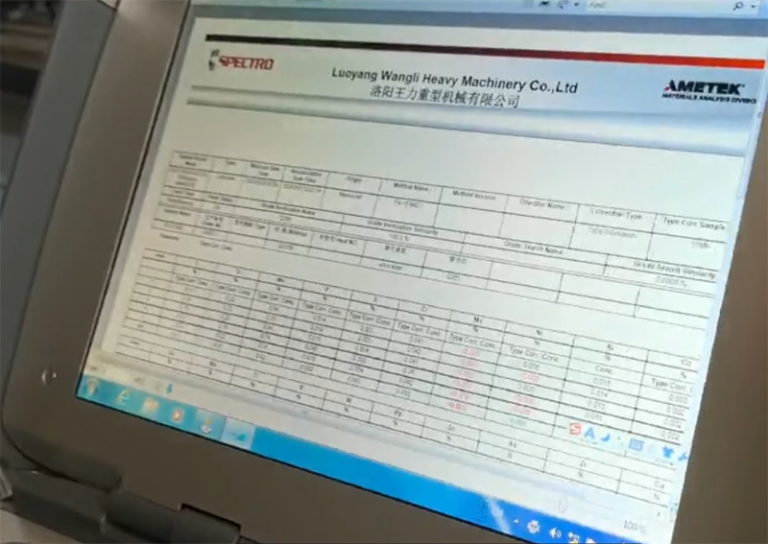
Ultimately, a precision cast gear is not merely a purchased part; it is a fundamental investment in the operational integrity of capital-intensive machinery. It represents a fusion of advanced metallurgy, sophisticated manufacturing, and practical engineering genius. For project engineers, plant managers, and maintenance specialists in heavy industry, understanding and specifying the right cast gear technology is a critical responsibility. Partnering with a foundry that possesses deep industry-specific expertise, from alloy development to non-destructive testing, is essential. In the relentless world of industrial progress, the precision cast gear stands as a quiet testament to durability, proving that true strength lies in engineered perfection.
Feel free to contact us for more information or assistance.


-768x768.jpg)