
What You Must Know About Segment Ring Gears?
In the demanding worlds of mining, power generation, and heavy machinery, the integrity of every component is non-negotiable. At the heart of many large-scale rotational drives, you’ll find a crucial innovation:the Segment Ring Gear. This isn’t just another gear; it’s an engineering solution designed for applications where monolithic gears are impractical or inefficient. Understanding the design, benefits, and proper application of Segment Ring Gears is essential for engineers and procurement specialists aiming to optimize performance, reduce downtime, and control costs in extreme operating environments.
1.Demystifying Segment Ring Gears: Key Questions Answered
Before exploring technical details, let’s address fundamental questions. This foundation clarifies their unique role in industrial mechanics.
1.1.What Exactly is a Segment Ring Gear?
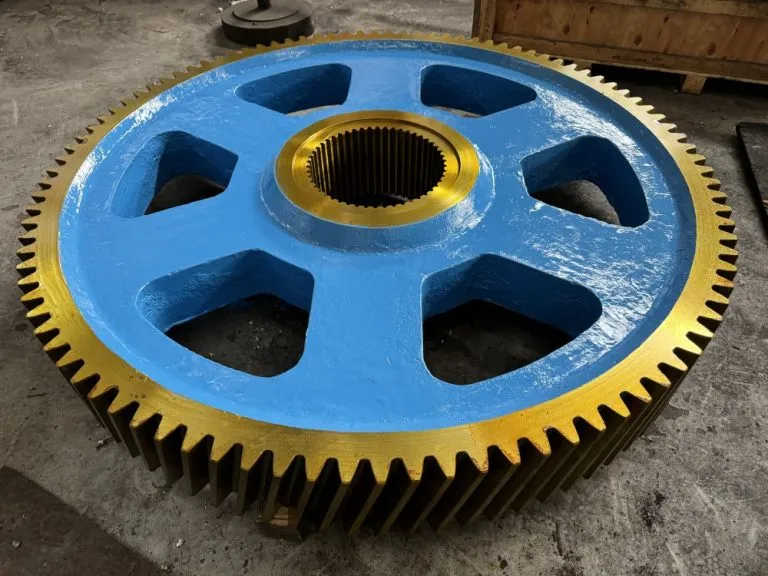
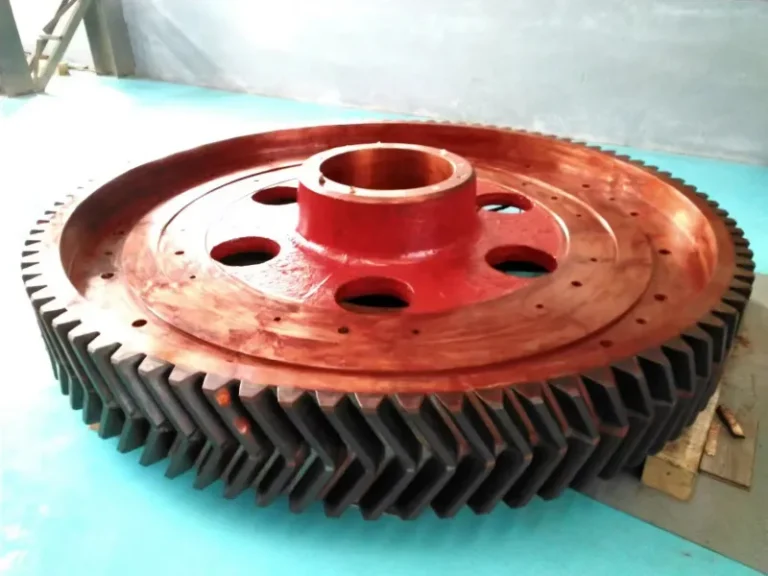
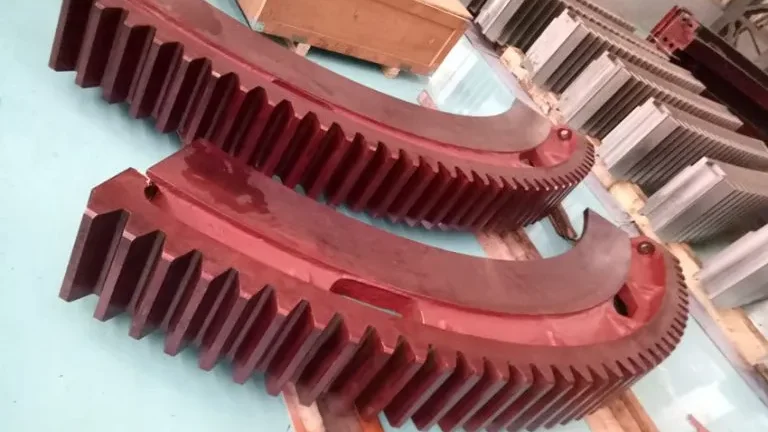
A Segment Ring Gear is a large-diameter gear fabricated not as a single, solid piece, but from multiple precision-engineered arc-shaped segments. These individual segments are bolted or joined together on-site to form a complete, functional ring gear. This modular approach is a game-changer for massive machinery. Imagine installing a gear with a diameter of 10 meters or more—transporting a single piece would be a logistical nightmare. The segmented design solves this elegantly and introduces remarkable flexibility.
1.2.Why Choose a Segmented Design Over a Solid Gear?
The choice boils down to practicality, performance, and economics. Solid ring gears for mega-machinery face immense hurdles: prohibitive manufacturing costs, extreme difficulty in transportation and handling, and the risk of a single flaw compromising the entire expensive unit. The Segment Ring Gear elegantly overcomes these. It allows for easier transport, simplifies replacement of worn sections instead of the whole gear, and enables more precise manufacturing control over each smaller, manageable segment.
Application Overview of Segment Ring Gears
| Industry / Sector | Primary Application | Specific Equipment / Use Case | Key Reason for Suitability |
|---|---|---|---|
| Mining & Mineral Processing | Driving large rotating machinery for crushing & grinding | Ball Mills & SAG Mills (Ore grinding drums) | Handles extreme shock loads & abrasion; allows easy replacement of worn sections to minimize downtime. |
| Processing & drying materials | Rotary Kilns & Dryers (Cement, mineral processing) | Provides stable, reliable rotation for massive, slow-turning cylinders; modular design simplifies installation. | |
| Energy Sector | Wind Power: Controlling turbine orientation | Yaw & Pitch Drive Systems in multi-megawatt turbines | Delivers the precision and reliability needed for optimal blade positioning and maximum energy capture. |
| Power Generation: Driving auxiliary systems | Ash Handling Systems, Large Fans, Conveyor Drives (Coal/Biomass plants) | Operates reliably in harsh, particulate-filled environments; offers robust durability. | |
| Heavy Machinery & Marine | Enabling rotation for heavy lifting equipment | Crane Slewing Rings (Port cranes, offshore vessels) | Facilitates smooth 360-degree rotation under enormous, dynamic loads in demanding conditions. |
| Power transmission in confined, high-power systems | Tunnel Boring Machines (TBMs) (Thrust & cutterhead drives) | Provides the necessary high-torque transmission in a space-constrained, high-vibration environment. |
2.Anatomy of a Segment Ring Gear: Design and Construction
The superior performance of these gears stems from meticulous design and robust construction. Each segment is a masterpiece of focused engineering.
2.1.Precision Engineering and Tolerances
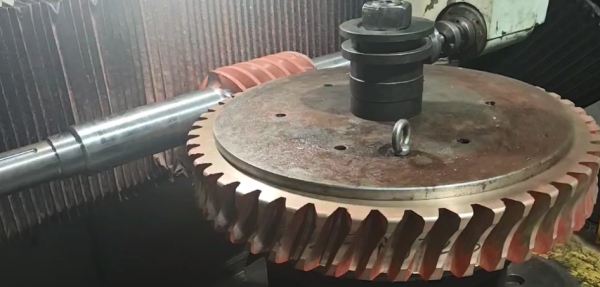
Every segment is machined to exceptionally tight tolerances. The tooth profile—often a robust spur or helical design—must be flawless to ensure seamless meshing with the pinion gear across all segment joints. The integrity of the final assembly depends entirely on the precision of each interface. Modern CNC machining and advanced metrology ensure that when assembled, the gear operates as smoothly as a single, unitary piece, with uniform load distribution being the paramount goal.
2.2.Robust Connection and Assembly
The connection points between segments are critical high-stress areas. These joints typically use high-tensile alloy steel bolts, carefully torqued to a precise specification. The design often incorporates dowel pins or shear keys to perfectly align segments and resist operational shear forces. Proper assembly protocol is not just a recommendation; it is the absolute cornerstone for achieving the designed load capacity and service life of the Segment Ring Gear.
3.Why Segment Ring Gears? Unparalleled Advantages
The strategic benefits of this design translate directly into operational excellence and cost savings for heavy industries. These are not mere components; they are reliability investments.
3.1.Unmatched Serviceability and Reduced Downtime
This is perhaps the most compelling advantage. In a traditional solid gear, significant wear in one sector necessitates replacing the entire massive unit—a costly and time-consuming ordeal. With a Segment Ring Gear, only the affected segment needs replacement. This modularity slashes downtime, lowers spare part inventory costs, and gets critical equipment like a mining mill or a dragline back online with breathtaking efficiency.
3.2.Superior Manufacturing and Quality Control
Manufacturing a smaller segment allows for deeper, more controlled heat treatment, resulting in superior hardness and core toughness. It also permits more thorough non-destructive testing (like ultrasonic or magnetic particle inspection) on every square inch of the material. This level of quality assurance for a component of such size is often impractical with a single-piece gear, giving segmented gears a fundamental edge in inherent reliability and fatigue resistance.
4.The Critical Role of Metallurgy and Heat Treatment
The raw power and endurance of a Segment Ring Gear are forged in its material science. Selecting the right alloy and treatment process is what separates a durable gear from a legendary one.
4.1.Material Selection for Extreme Duty
Common materials include high-carbon alloy steels like 4140 or 4340, often chosen for their excellent strength-to-weight ratio and hardenability. For the most abrasive environments, such as mining, segments may be fabricated from even more specialized steels or have their tooth flanks protected with advanced wear-resistant overlays. The choice is a calculated balance between impact resistance, wear characteristics, and operational loads.
4.2.Achieving Optimal Hardness and Toughness
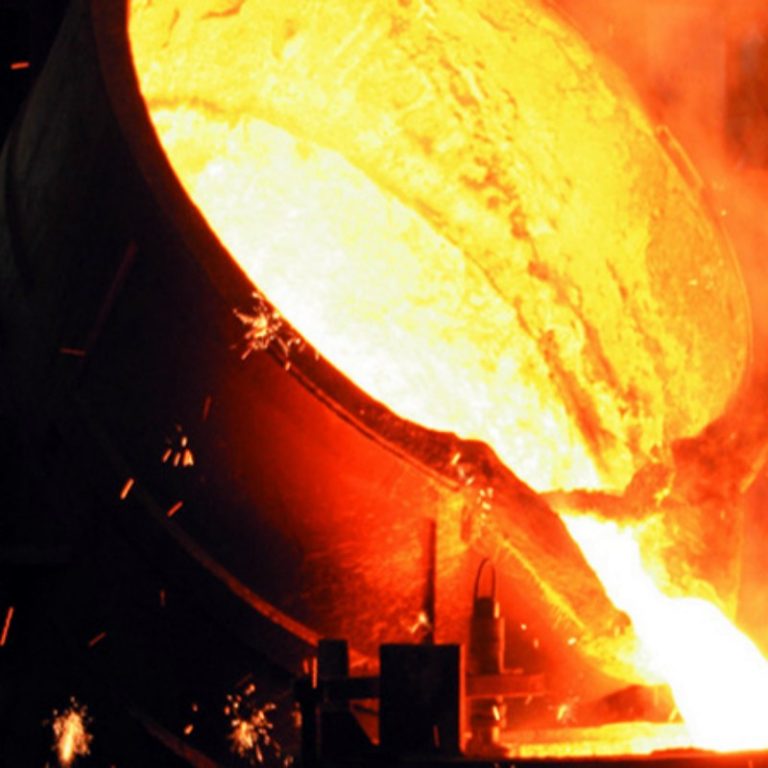
A uniform, controlled heat treatment process is vital. The goal is to achieve a hard, wear-resistant surface on the gear teeth (often through carburizing or induction hardening) while maintaining a tough, ductile core to absorb shock loads and prevent catastrophic cracking. For Segment Ring Gears, this process can be optimized for each segment’s geometry, ensuring consistent performance characteristics throughout the entire ring assembly.
5.Powering Core Industries: Diverse Applications
The true test of any industrial component is its performance in the field. Segment Ring Gears prove their mettle in the world’s most challenging applications, becoming the silent, powerful backbone of critical infrastructure.
5.1.Mining and Mineral Processing (The Primary Arena)
Here, Segment Ring Gears are indispensable. They form the driving mechanism for rotary equipment that processes thousands of tons of material daily.
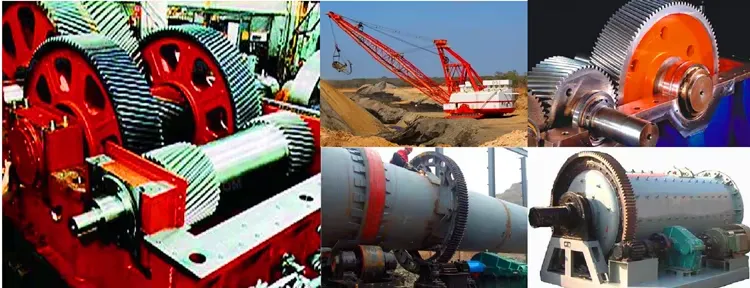
Ball and SAG Mills: They drive the massive rotating drums that grind ore into fine particles. The constant, heavy shock loads and abrasive environment demand the ultimate in gear durability and serviceability.
Rotary Kilns and Dryers: Used in processing minerals and cement, these long, slowly rotating cylinders rely on large girth gears, perfectly suited to the segmented approach for stability and longevity.
5.2.Energy Sector: From Fossil Fuels to Renewables
Wind Turbines: Modern multi-megawatt turbines use large Segment Ring Gears in their yaw and pitch drive systems to orient the nacelle and blades. Their precision and reliability are critical for maximizing energy capture and protecting the turbine.
Power Generation: In coal-fired or biomass plants, segmented gears drive critical ash handling systems, large fans, and conveyor drives, operating reliably in harsh, particulate-filled environments.
5.3.Heavy Machinery and Maritime Applications
Crane Slewing Rings: Large port cranes and offshore construction vessels use segmented gear designs within their slewing bearings for smooth, controlled 360-degree rotation under enormous loads.
Tunnel Boring Machines (TBMs): These engineering marvels use massive thrust and cutterhead drives, where segmented ring gears provide the necessary power transmission in a confined, high-vibration environment.
6.Making the Strategic Choice
Specifying a Segment Ring Gear is a decision that impacts long-term operational efficiency, maintenance budgets, and system availability. It represents a sophisticated solution where size, duty, and logistics preclude conventional options. By understanding their modular design, inherent advantages in serviceability, and the critical importance of precision manufacturing and metallurgy, you can confidently integrate them into your most demanding systems. When failure is not an option, and efficiency is measured in continuous tonnes processed or megawatts generated, the intelligent, robust design of the Segment Ring Gear stands as an essential component of industrial progress.
Feel free to contact us for more information or assistance.