
How to Optimize Your Long Shaft?
1.The Critical Role of the Long Shaft
In the demanding worlds of mining, oil, power, and wind energy, the Long Shaft is an unsung hero. This crucial mechanical component transmits torque and rotation over significant distances, often under extreme loads and harsh environments. Optimizing your Long Shaft is not a mere suggestion—it’s a fundamental requirement for operational efficiency, safety, and cost management.
2.What is a Long Shaft? A Foundational Explanation
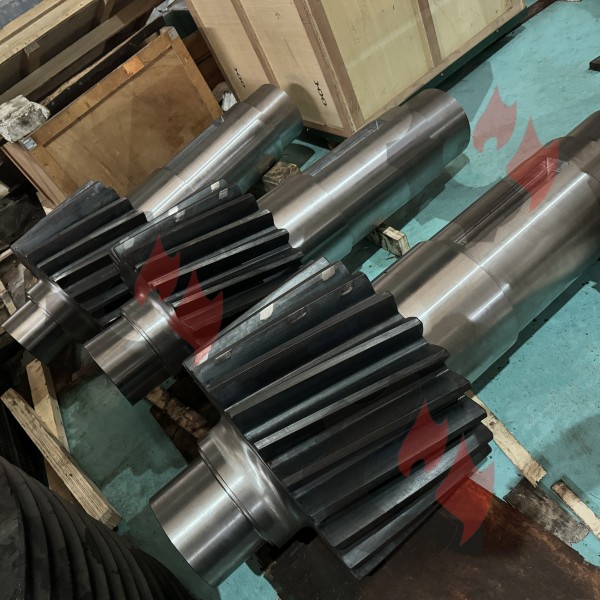
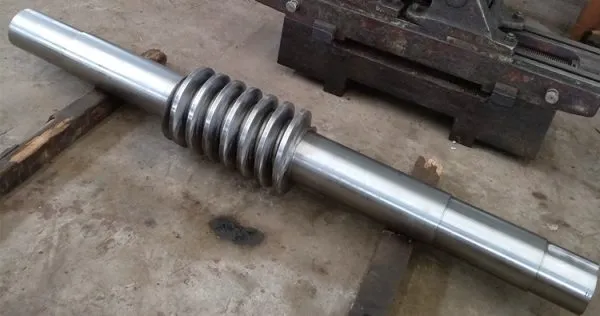
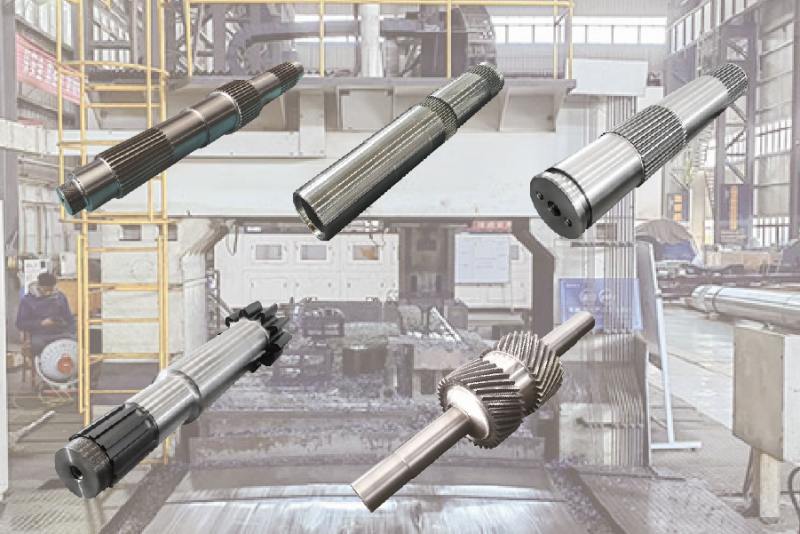
Before diving into optimization, let’s define the component. A Long Shaft is a cylindrical rod designed to transmit rotary motion and torque from a driver (like a motor or turbine) to a driven component (like a pump or gearbox). Its “long” aspect ratio makes it uniquely susceptible to challenges like deflection, vibration, and critical speed phenomena. Understanding this basic mechanics is the first step toward effective Long Shaft optimization.
3.Why Optimize Your Long Shaft? The High-Stakes Impact
Neglecting Long Shaft performance can lead to catastrophic downtime. An unoptimized shaft is a liability, risking excessive vibration that damages bearings, seals, and connected machinery. It can lead to premature fatigue failure, causing unplanned outages that cost millions. Conversely, a perfectly optimized Long Shaft ensures smooth power transmission, reduces energy loss, minimizes wear on supporting components, and dramatically boosts the overall system’s reliability and lifespan.
4.Product Overview: The Engineered Long Shaft Solution
Our precision-engineered Long Shaft is not a generic component. It is a custom-designed solution built for resilience. From robust mining conveyors to high-speed wind turbine generators, each Long Shaft is meticulously calculated and manufactured. We consider your specific application’s torque, speed, misalignment, and environmental hazards to deliver a component that is the cornerstone of your machine’s drivetrain.
5.Key Strategies for Long Shaft Optimization
Optimization is a multi-faceted process. It begins at the design stage and continues through installation, operation, and maintenance.
5.1.Advanced Material Selection for Your Long Shaft
The core of a reliable Long Shaft is its material. We go beyond standard carbon steels.
Alloy Steels: Offer superior strength and fatigue resistance for high-torque applications in oil drilling.
Stainless Steels: Provide essential corrosion resistance for Long Shafts exposed to moisture or chemicals in power plant cooling systems.
Specialized Alloys: Used for unique demands, such as non-magnetic properties or extreme temperature tolerance. Selecting the optimal material is the first critical step in Long Shaft optimization.
5.2. Precision Machining and Surface Finish
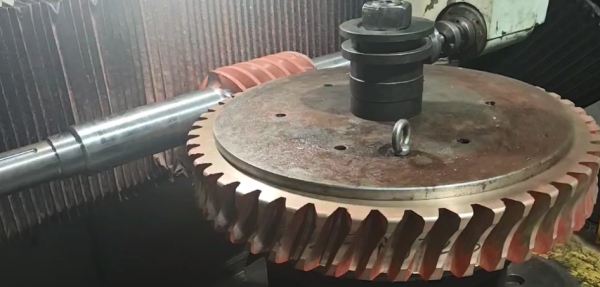
The geometry and surface of a Long Shaft are paramount. Ultra-precise turning and grinding ensure perfect concentricity and diameter control. Furthermore, advanced surface treatments like induction hardening, nitriding, or specialized coatings are applied. These processes dramatically increase surface hardness, enhancing the Long Shaft’s resistance to wear and fretting fatigue at keyway and bearing locations.
5.3. Mastering Dynamics: Balancing and Critical Speed
This is the heart of Long Shaft optimization. Every rotating shaft has a critical speed—a rotational frequency at which it resonates naturally.
Dynamic Balancing: Each Long Shaft undergoes high-precision dynamic balancing to minimize vibration, protecting bearings and the entire assembly.
Critical Speed Analysis: Our engineers perform detailed calculations to ensure your operational speed is safely away from the Long Shaft’s critical speed range, preventing destructive resonance.
6.Application-Specific Optimization Focus
The optimization priorities for a Long Shaft shift dramatically based on its industrial use.
6.1.Long Shaft in Mining & Heavy Machinery
Here, the Long Shaft faces immense shock loads and abrasive contamination. Optimization focuses on:
Extreme Impact Resistance: Using tough, through-hardened alloys.
Robust Sealing Integration: Designing for superior seal surfaces to keep grit out of bearing housings.
Oversized Design Margins: Incorporating higher safety factors for unpredictable load conditions.
6.2.Long Shaft in the Oil & Gas Sector
Corrosion, high torque, and remote locations define this environment. Long Shaft optimization emphasizes:
Corrosion-Resistant Materials: Alloys suited for sour gas or offshore applications.
High-Torque Capacity: Precise spline or keyway design for massive power transfer in pump jacks and drilling equipment.
Reliability Engineering: Built for minimal maintenance in inaccessible platforms.
6.3. Long Shaft for Power Generation & Wind Energy
Efficiency and continuous operation are king. For wind turbines, the Long Shaft in the gearbox is a critical component.
Fatigue Life Maximization: Addressing millions of load cycles with flawless metallurgy and finish.
Weight-to-Strength Ratio: Using advanced alloys to reduce mass without sacrificing strength, improving dynamic response.
Precision Gearing Integration: Ensuring perfect alignment and finish for gear connections to minimize loss.
| Industry/Sector | Primary Application of Long Shaft | Key Optimization Focus | Common Challenges Mitigated |
| Mining & Minerals Processing | Conveyor Drives, Crusher Drivetrains, Ball Mill Pinions | Impact Resistance, Abrasion Protection, Robust Sealing | Shock Loads, Contaminant Ingress, High Torque Stalls |
| Oil & Gas | Pump Jack Drives, Mud Pumps, Centrifugal Pump Spindles | Corrosion Resistance, High-Torque Connection Design, Reliability | H2S & Saltwater Corrosion, Remote Location Failures, Constant Load Cycles |
| Power Generation (Thermal/Hydro) | Pump Shafts, Fan Drives, Turbine Auxiliary Drives | Critical Speed Analysis, Fatigue Resistance, Precision Alignment | Vibration-Induced Failures, Continuous Operation Stress, Thermal Cycling |
| Wind Energy | Gearbox Intermediate & High-Speed Shafts | Ultra-High Fatigue Life, Optimal Weight-to-Strength Ratio, Premium Bearing Fits | Extreme Cyclic Loading, Weight Constraints, Hard-to-Access Repairs |
7.Proactive Maintenance: The Final Optimization Step
Even the best-designed Long Shaft requires care. A proactive maintenance schedule is the final, crucial layer of optimization.
Regular Vibration Analysis: The earliest warning system for misalignment or bearing issues.
Alignment Checks: Ensuring the Long Shaft and its connected components are perfectly aligned during installation and after any disturbance.
Lubrication & Inspection: Using the correct lubricant and regularly inspecting for signs of wear, corrosion, or surface damage.
8.Invest in Optimization for Long-Term Value
Optimizing your Long Shaft is a holistic investment in your operation’s future. It transcends simple component replacement, encompassing intelligent design, exacting manufacturing, and diligent maintenance. By partnering with experts who understand the profound impact of this vital link, you secure not just a part, but a promise of unwavering performance, reduced total cost of ownership, and ultimate peace of mind in the world’s toughest industries.
Feel free to contact us for more information or assistance.